Studio News Production: Mistakes That Cost Time and How to Avoid Them
Rachel Hollis, our Head of Production, goes through the errors that most often slow a studio bulletin or interview segment, and the small habits that keep a recording on schedule.
6 minutes to read
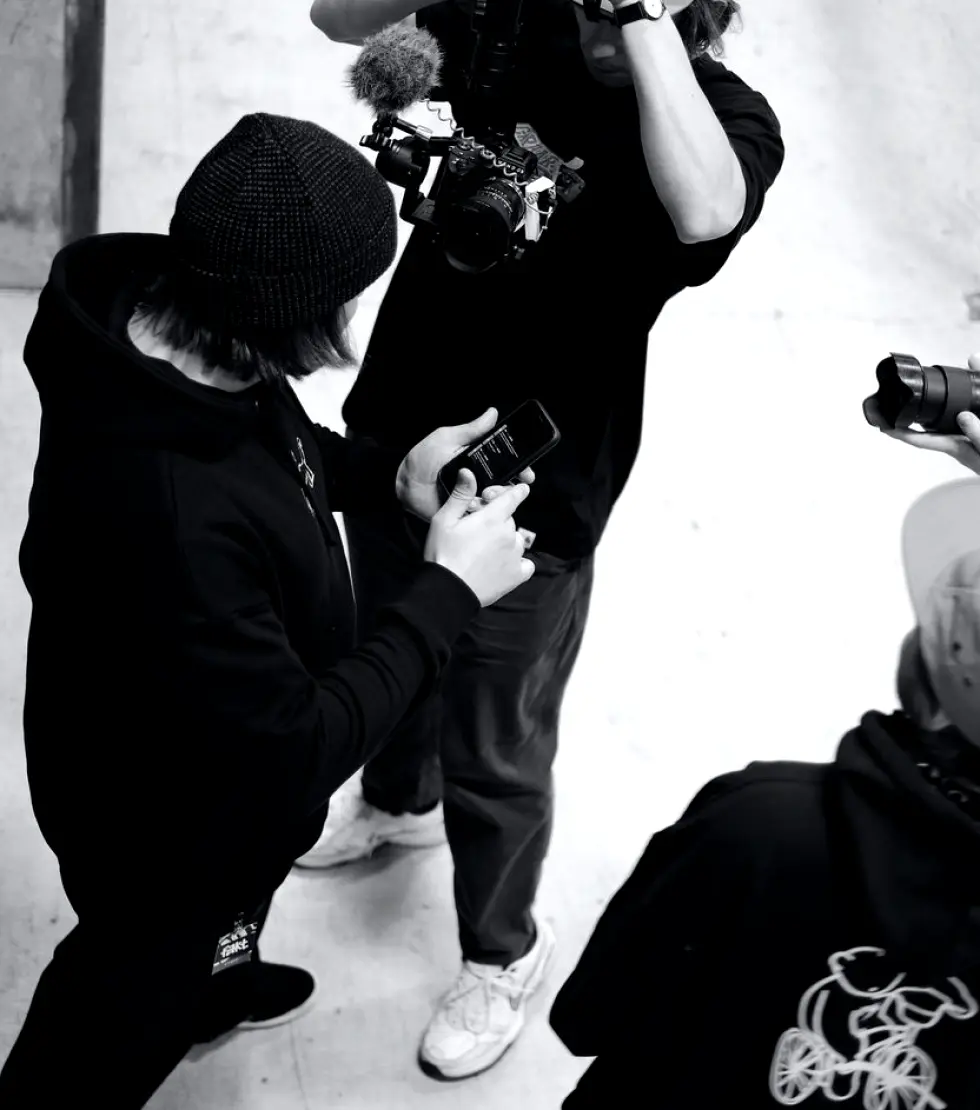
Treating the studio as a room, not a set
The most common mistake I see is booking a studio as if it were simply a quiet room with some lights in it. A news set is a working arrangement of desk, backdrop, lighting, camera positions and autocue, and each element has to agree with the others. When a producer arrives with a presenter, a running order and no thought about where guests will sit, the first half hour goes on moving furniture and re-lighting.
We ask for a short brief before any recording: how many people appear on screen, whether the format is a bulletin, a two-way or a seated interview, and what graphics will sit over the picture. That tells us whether we need one presenter position or two, how wide the shots must be, and where to leave clean space for captions.
None of this is complicated, but it has to be settled before the crew arrives, not discovered while the clock is running.
- Say how many people will be on screen
- Name the format: bulletin, two-way or seated interview
- Tell us which graphics will overlay the picture
Lighting for the face, not just the frame
A studio can be brightly lit and still make a presenter look tired. The usual cause is a single hard source from the front, which flattens the face and throws a shadow onto the backdrop. Good news lighting separates the speaker from the background, keeps skin tones steady and avoids glare on glasses or a shiny forehead.
Guests are where this goes wrong most often. A presenter has been lit and checked, then a guest sits down in the same chair under the same lamps with a different complexion, a white shirt or reflective frames. We check every person on camera before recording, not only the host, and adjust fill and angle where needed.
Allow five minutes for it. Those five minutes cost far less than a segment that has to be re-recorded because one speaker looked washed out.
Autocue habits that read badly on air
Autocue is meant to help a presenter sound natural, yet badly prepared scripts make them sound as though they are reading. Long sentences, stacked clauses and unfamiliar names are the usual culprits. A script written for the page is not the same as one written to be spoken aloud, and the difference shows within a few lines.
Send the script in advance, in plain text, with difficult names spelled phonetically beside them. Short sentences read better, and a presenter who has seen the copy once beforehand will find the rhythm much faster than one meeting it cold on the screen.
Late changes are the other trap. A rewrite pasted in two minutes before recording often arrives with formatting errors or missing lines. If the copy is going to change, tell the operator so the scroll speed can be adjusted to suit the new text.
- Write for speaking, in short sentences
- Mark pronunciations beside names and places
- Flag late changes to the autocue operator
Multi-camera recording without a plan for cuts
Having three cameras does not mean three good shots are available at every moment. Without a plan, operators drift towards the same wide frame, or all three end up on the presenter while the guest is speaking. The result is an edit with plenty of footage and very little to cut to.
We agree camera roles before the recording starts: one on the wide establishing shot, one tight on the presenter, one on the guest or second position. During an interview the operators follow the conversation and hold reaction shots where they help the viewer, rather than panning around looking for something to do.
If the segment will be edited afterwards, say so. Knowing whether a recording is going out live-to-tape or being cut into a package changes how long the crew holds each shot and how cleanly each answer is allowed to finish.
Sound, the problem nobody notices until playback
Viewers forgive a slightly soft picture far sooner than muffled or uneven sound. In a studio the risks are small but real: a clip microphone brushing a lapel, a guest leaning away from a desk microphone, air conditioning that hums at low level, or a phone left on silent but still vibrating against the table.
We run a level check with every speaker saying a few lines in their normal voice, not just counting. People speak differently when they are reading than when they are answering a question, and the level can jump. Phones go into a bag, not onto the desk.
Listening on headphones throughout the recording matters more than watching the monitor. Most audio faults are heard long before they can be seen, and catching one during the take saves a full repeat.
- Test levels with natural speech
- Phones out of the room or in a bag
- Monitor on headphones during the take
Running over because the schedule had no slack
Studio time is booked in blocks, and the mistake is filling the whole block with recording. Arrival, sound checks, a rehearsal of the first item and a reset between segments all take time, and a timetable that ignores them guarantees a rush at the end, when mistakes multiply.
As a rule, allow generous time before the first take and a short buffer after the last. A producer who plans for a twenty-minute bulletin should expect the crew to need noticeably longer than twenty minutes in the room, and should not schedule guests to arrive at the exact minute recording begins.
Agree a clear person who calls each take and says when a segment is finished. Without that, people hesitate, restart or keep talking, and a tidy session turns into a long one.
Almost every studio problem described here is solved before anyone sits down in front of a camera: a clear brief, a script written to be spoken, lighting checked on every face, camera roles agreed and a timetable with some slack in it. None of it needs special equipment, only a little forethought from the producer and a crew that asks the right questions early. That is how a mid-autumn bulletin or interview segment stays calm, on time and ready to broadcast.