How to Set Up a Portable Link-Up for a Live Report
A practical walkthrough of preparing a portable transmission kit for a live report from the scene, from checking signal and power to confirming the feed with the gallery.
7 minutes to read
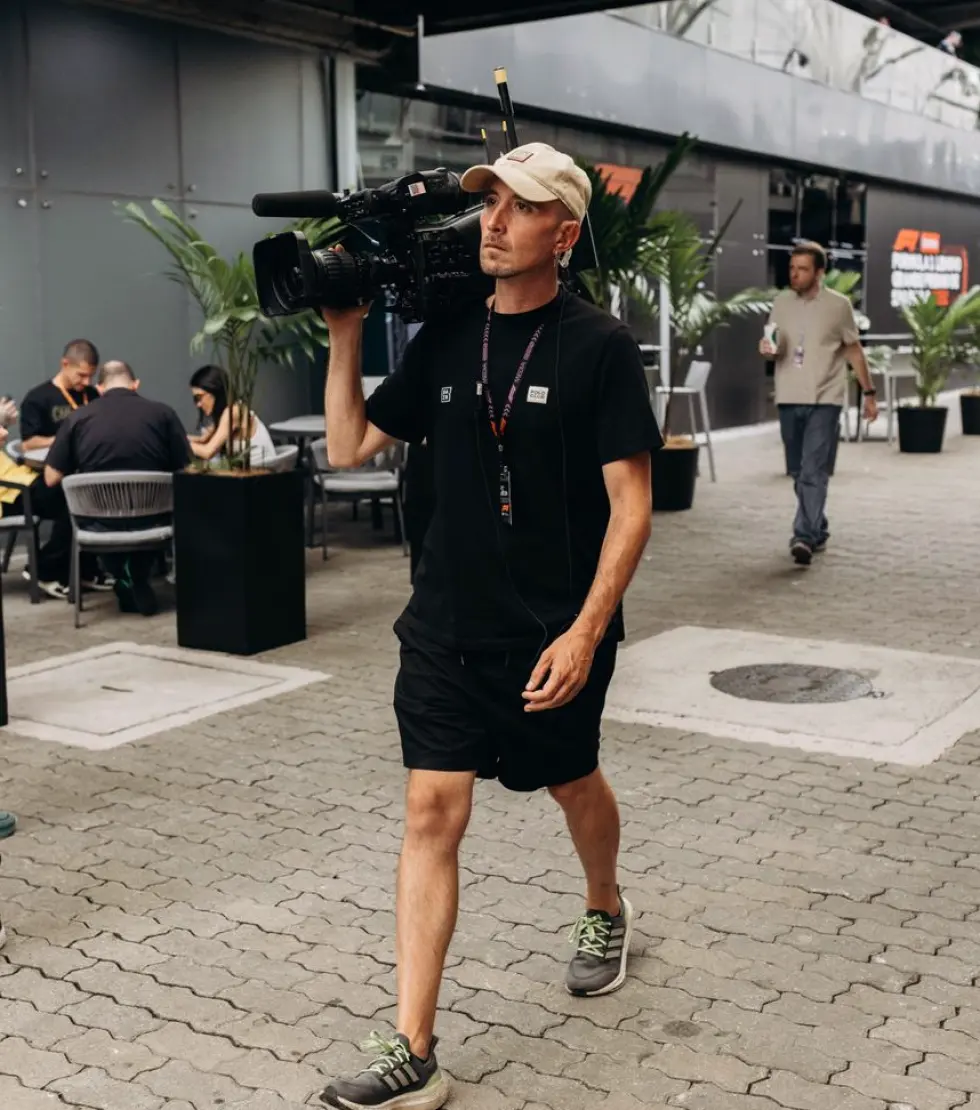
Start with the location, not the kit
A live report starts to succeed or fail before anyone opens a case. When a producer calls with a location, the first job is to work out what that place will do to a signal. Tall buildings, a valley road, a harbour wall or a crowd of phones all change what a portable kit can deliver, and it is far cheaper to learn that on a map than on the pavement with a presenter waiting.
I ask three questions straight away. Where exactly will the reporter stand, and can that spot be moved by a few metres if needed? What is behind the camera, and does it block a clear view of the sky or the nearest mast? And who on the ground can tell us if the police or the venue change where the crew may stand? Those answers decide which route we plan for and which one we keep in reserve.
Having a named person at the location also matters more than people expect. A producer back in the gallery cannot see the cordon move, but a field reporter can, and a short message early saves a long conversation later.
- Note the exact standing position and a fallback within walking distance
- Check what blocks the sky or the nearest mast
- Agree who on site confirms any change of position
Choose the path the signal will take
A portable transmission kit can send pictures back by more than one route, and the right choice depends on the place and the story. Bonded cellular is light and quick to rig, which suits a street scene with good coverage. A satellite path is slower to set up but does not care how crowded the local network is, which matters at a large gathering or in a patchy rural area.
We plan for one main route and one reserve, and we say aloud what would make us switch. If the cellular signal drops below the level we agreed, we move to the reserve rather than hoping it recovers. The gallery should be told which route is live, because it changes the delay they will see and the way they cue the reporter.
It helps to remember that the cleanest picture is not always the best choice. A slightly softer feed that stays up for the whole bulletin is worth more than a sharp one that breaks up halfway through the first answer.
- Pick a main route and a reserve before leaving
- Agree the trigger for switching in plain terms
- Tell the gallery which route is live
Power, cables and the things people forget
Most live failures I hear about after the fact are not clever technical faults. They are a flat battery, a loose connector or a cable run across a walkway that someone then trips over. Before a crew leaves Exeter we charge every battery the night before and carry more runtime than the plan seems to need, because a live slot that overruns is common and a dead kit is not recoverable.
Cables deserve the same care as the camera. We label both ends, tape down anything that crosses a path, and keep spare leads in the same bag as the kit so nobody searches a vehicle at the last minute. Headphones for the reporter and a clear way to hear the gallery matter just as much, since a reporter who cannot hear the cue is guessing.
Weather belongs in this list too. A cover for the transmitter and a dry place for the laptop are small items that decide whether the kit survives an autumn shower during a long wait.
- Charge everything the night before and carry extra runtime
- Label both ends of every lead and tape down trip hazards
- Pack spare leads with the kit, not elsewhere
Test the feed before anyone is waiting
We aim to be rigged and sending a test picture well ahead of the first live slot, not a few minutes before it. That gap is where problems get found while they are still cheap to fix. A test shows whether the picture is stable, whether the sound is clean, and whether the delay is the one the gallery expects.
When the feed arrives, the gallery checks framing, colour and audio levels while the crew checks the return so the reporter can hear the studio. We ask the gallery to tell us plainly what they see, including small things such as a lamp post growing out of the presenter's head, which is easy to miss through a viewfinder.
Once everyone agrees, we hold the position and stop adjusting. Touching a stable setup late is a common way to break it, so the rule on the day is to fix real faults and leave the rest alone.
- Send a test picture well before the first slot
- Check picture, sound, delay and the studio return
- Stop adjusting once the gallery is happy
Keep the reporter and the gallery talking
A live report is a conversation between the scene and the studio, and the kit is only the line it runs on. We agree a short cue routine in advance: who gives the countdown, what the reporter does if the first question is unclear, and the signal for we are losing you. Simple, spoken wording beats a clever system that nobody remembers under pressure.
The field reporter should know the opening line, the main point and a sentence that can end the report cleanly if the feed drops. That last one is the most useful and the least rehearsed. A report that finishes gracefully on a bad connection still reads as professional, while one that freezes mid-word does not.
Afterwards, we keep the recorded feed where the signal allows, so the footage can be cut into a package for later bulletins. Live work and edited work then support each other instead of competing for the same crew.
- Agree the countdown, the cue and a loss-of-feed signal
- Give the reporter a clean closing line
- Record the feed for later editing where possible
A short checklist for the morning of a live shoot
On the morning itself, I run through a short list rather than trusting memory. It starts with the batteries and leads, moves to the reserve route, and ends with a call to the gallery to confirm the slot times and the contact number for the day. Ten calm minutes at that point replace an hour of fixing later.
The list is deliberately plain. It does not try to cover every possible fault, only the ones that have caught crews out most often. If something on it does not check out, the crew says so before leaving, when a swap of kit or a change of position is still easy.
None of this is complicated, and that is the point. A live link-up works when the ordinary things are done in the ordinary order, every time, by people who have agreed in advance what happens when one of them goes wrong.
- Batteries, leads and covers packed and counted
- Reserve route confirmed and understood
- Slot times and gallery contact checked by phone
A reliable live report comes from preparation done before the camera is switched on: a realistic look at the location, a main route with a reserve, enough power, an early test and a clear way for the reporter and gallery to talk. None of it is glamorous, but each step removes a way for the broadcast to fail. If you are planning a live report from the scene, we are happy to talk through the setup.