Getting Breaking News Crews Ready for the Darker Months
Short days, wet roads and early dusk change how a crew reaches and films a developing story. Priya Nair sets out what to check now, before the winter run of incidents begins.
6 minutes to read
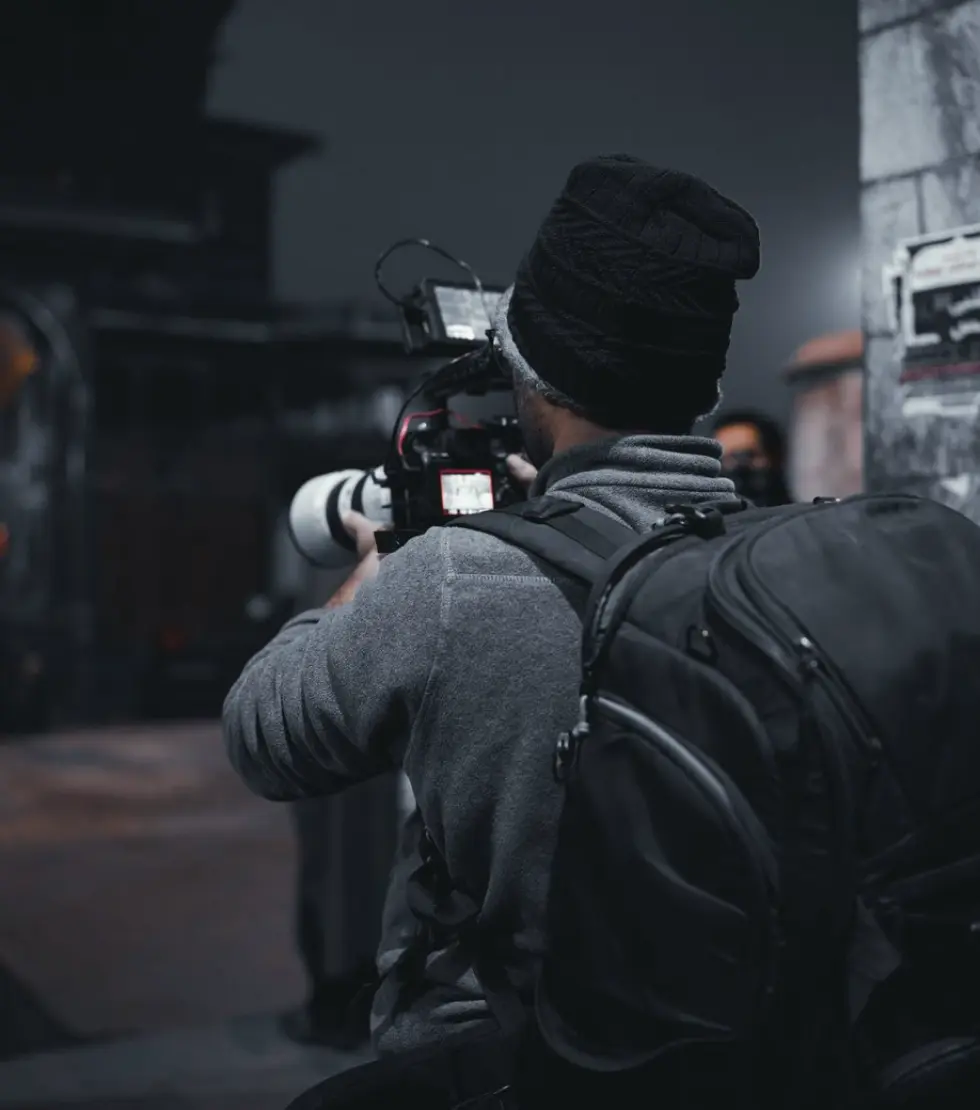
Why mid autumn changes the job
From these weeks on, the working day for a breaking news crew gets shorter at both ends. A story that breaks at four in the afternoon is often a story shot in fading light, and by the time footage reaches an edit suite it is dark outside. I cut packages for a living, and the footage that arrives in October and November tells me quickly whether a crew prepared for the season or simply carried on as in summer.
The change is not only light. Roads in the South West get wet, leaves block drains, rivers rise and the kind of incident that sends a crew out starts to shift towards flooding, storm damage, road closures and power cuts. Each of these asks for a different way of working, and each is easier when the crew has talked it through before the phone rings.
This note is written from the editing side, because that is where weaknesses in field work become visible. Soft focus, noisy shadows and muffled sound all cost minutes at the desk, and minutes matter when a bulletin is waiting.
Kit that earns its place now
Start with protection. Rain covers for the camera and for the microphone are not optional between now and spring, and a spare of each belongs in the vehicle. A dry lens cloth and a small towel sound trivial, yet a wet front element can ruin the first ten minutes of a shoot, which are often the most valuable ones on a fast-moving story.
Batteries lose capacity in the cold, so a crew that managed on two in August should carry more for the same job and keep the spares inside a jacket until needed. Card capacity deserves the same thought, because night footage at higher sensitivity produces larger files and nobody wants to delete clips on location.
Finally, light. A small on-camera lamp and a compact panel that can be handheld by a second person turn an unusable doorstep interview into a clean one. Check that every charger, cable and mount is in the bag before the shift starts, not after the call comes in.
- Rain covers for camera and microphone, plus spares
- Extra batteries kept warm until needed
- Spare cards and a card wallet that stays dry
- Compact lamp or panel with charged power
- Torch, reflective jacket and a dry change of gloves
Filming in low light without losing the picture
Low light tempts operators to push sensitivity until the screen looks bright, and the result is grain that no edit can remove. Our camera operators tend to accept a slightly darker image, open the lens as far as it sensibly goes and then find a practical light source in the scene, such as a shop window, a street lamp or the headlights of a parked vehicle.
Position matters more than settings. Placing a reporter so that the main light falls on the face, rather than behind the head, solves most problems before any button is pressed. Steady the camera too: a tripod or a braced elbow keeps shutter speeds workable in dim places, and handheld shots at night are the first to look shaky on a large screen.
Keep white balance consistent between shots. Mixed street lighting can swing colour from orange to green within a few metres, and a sequence that jumps in tone is slow to correct. Shoot a few frames of a neutral surface when the scene allows.
Sound, signal and the weather between you and the gallery
Wind and rain are the enemies of clean audio. A windshield on the microphone, the reporter turned slightly out of the wind and a recording of a few seconds of ambient sound on location all make the finished piece easier to mix. Priya at the desk will always prefer a quiet, close voice with real background underneath over a loud one that fights the weather.
Filing footage is its own challenge in poor conditions. Mobile coverage dips in valleys and along the coast, so a crew should know in advance where it can send material from and should upload in short batches as it goes rather than waiting for the final clip. Naming files clearly at the point of recording saves further time on the receiving end.
Keep a short log on paper or phone: place, time, who was spoken to and anything that could be misread. Accuracy is easier to protect while a detail is fresh than to reconstruct later.
- Wind protection on every microphone
- Short ambient recording at each location
- Upload in batches, not one large file at the end
- Clear file names and a brief shot log
Travel, safety and the pace of a developing story
Reaching the scene is half of any breaking job, and autumn punishes optimism. Plan for slower journeys, check road and rail news before leaving and keep the vehicle stocked with water, a charged power bank, a blanket and a physical map for places where the phone gives up. Leaving a few minutes earlier is cheaper than arriving after the key moment has passed.
On location, assess the ground before the equipment. Wet leaves, slippery kerbs, rising water and unlit car parks hurt people and gear. Tell a colleague or the production desk where you are, and agree a time to check in. A crew that stays safe keeps filing, and a story told accurately beats a spectacular shot taken carelessly.
Reporters and operators should also agree the shape of the story on arrival: the opening wide shot, the key interview, the cutaways. That short conversation, held in the first minutes, makes the footage far easier to cut into a package.
A pre-winter routine for crews and the desks that use them
The simplest advice is to rehearse. Pick a quiet evening in the coming weeks, run a mock call-out, pack the vehicle, shoot a short piece in the dark and send it to the edit suite. Faults in lighting, audio or upload show up immediately, and fixing them costs nothing compared with discovering them on a live story.
Producers and editors can help by briefing crews early: what is needed, in what format and by when. Clear instructions reduce back-and-forth on the road, where signal and patience are both limited.
Review the kit list at the start of each month through to spring, replace anything worn and note what the last few shoots exposed. Small, regular checks keep a crew ready for the story that nobody planned for.
- Run one night-time test shoot and file it
- Check batteries, cards and covers monthly
- Agree format and deadline before leaving base
The darker months reward preparation more than heroics. A crew with dry kit, spare power, a plan for low light and a clear route for sending footage will deliver steadier pictures and cleaner sound than one relying on instinct alone. From the edit suite, the difference is obvious within seconds of opening the first clip. Use these weeks to rehearse, tidy the kit list and talk through the likely stories, so that when a developing one arrives, the crew is already ready to go.