Getting a Breaking News Crew to Your Story: A Practical Guide
A step-by-step guide to briefing a field crew, so the camera operator and reporter reach a developing story prepared and your first footage arrives in your gallery quickly.
6 minutes to read
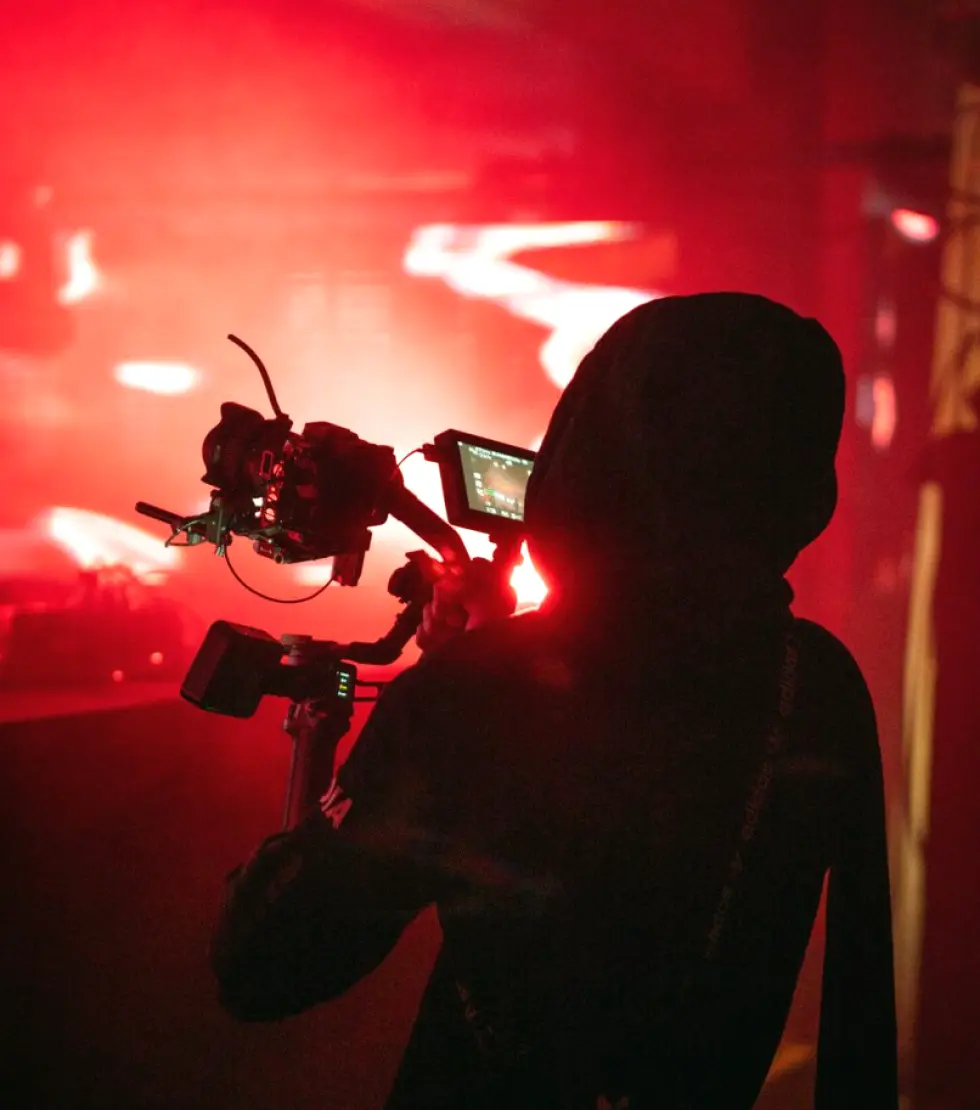
Start with a briefing that fits on one screen
When a story breaks, the first call decides how the next hour goes. A crew can only move as quickly as the information it is given, so the briefing should be short, ordered and specific. I ask producers for the same handful of things every time: where the story is, what has happened so far, who is already on site, what you want back, and by when. That is enough for us to leave the base in Exeter and plan the route while we drive.
Resist the urge to send everything you know. A long message makes a crew read when it should be moving. Put the location and the deadline in the first two lines and the background after them. If details change, send a single corrected line rather than a fresh message, so nobody on the road is left guessing which version is current.
- Exact location, with a postcode or nearest junction
- What has happened and what is still unconfirmed
- Deadline for first footage and for a finished package
- Who at your desk the crew should call
Say what you need back, not just where to go
A crew told only to go to a scene will film everything it can see. A crew told what the bulletin needs will film the right things first. State the outputs plainly: raw clips for your own editors, a short cut for the website, a piece to camera from the reporter, or all three in that order. Each one changes how I set up and how long I stay on the spot.
Order matters as much as the list. If you need pictures online within the hour and a fuller report for the evening, say so, and we will file in two stages. The first stage is usually wide establishing shots and a quick cutaway sequence. The second adds interviews and the reporter's account once the situation is clearer and safer to work in.
What the crew carries and why it matters
A field crew travels light by design. A camera on a tripod and a handheld option, a spare battery for every hour we expect to be out, memory cards labelled and rotated, a directional microphone and a clip-on for interviews, and a small light for night or low-light locations. Mid autumn brings early dusk and wet pavements, so the lamp and a rain cover for the camera are not optional.
Kit is chosen to be set up in minutes, not tuned for twenty. I would rather have a steady, well-exposed shot taken in the first five minutes than a beautiful one that misses the moment. Everything we bring is meant to keep the picture stable and the sound clean, because those are the two faults a gallery cannot repair afterwards.
- Tripod plus a handheld rig for moving through crowds
- Spare batteries and cards for a long wait
- Shotgun and lapel microphones
- Compact light and weather cover for dark, wet evenings
How footage reaches you while we are still filming
Filing quickly does not mean waiting until the shoot is over. We send clips as we go, starting with the strongest establishing shots, so your editors can begin while we continue working. Agree the delivery route before we leave: a shared folder, a direct upload to your system, or a transfer from a portable kit. Whichever it is, tell us the file format and frame rate your gallery expects, so nothing needs converting at your end.
Naming is the quiet detail that saves minutes. We label each clip with the location, the time and a few words on what it shows, so an editor can find a reaction shot without opening twenty files. If a clip is not yet safe to broadcast, we flag it in the name. A clear label is a small habit, and it speeds up every step that follows.
Working safely and accurately at a live scene
Speed is never a reason to stand where we should not. At an incident, we follow the instructions of the emergency services, keep behind any cordon, and stay aware of traffic, crowds and weather. Tom, our field reporter, checks facts with officials on site where possible and tells you plainly what is confirmed and what is only being said. If a claim cannot be verified, it stays out of the report until it can.
Accuracy also covers what the camera shows. We avoid framing that implies something the scene does not support, and we note the time of every interview so that a later change in the story can be placed against it. Producers should expect us to say no to a shot that would compromise safety or fairness, and to explain why in a sentence.
After the first filing: the follow-up checklist
Once the first footage is with you, the crew is still useful. Ask whether the story needs a second location, a reaction interview, or a cleaner piece to camera now that the facts have settled. Tell us what your editors found missing, because a quick extra shot while we are still nearby costs far less than a return visit later.
Before we stand down, confirm that every clip has arrived intact and that the cards have been copied twice. We keep the raw material safe until you tell us it has been archived on your side. A short call at the end, covering what was filed, what is outstanding and what you may want tomorrow, closes the job properly and makes the next call-out easier to start.
- Confirm every clip has arrived and opens correctly
- Note any shots your editors still want
- Agree who holds the raw material and for how long
A good call-out is mostly good preparation: a short briefing, a clear list of outputs, an agreed delivery route and honest talk about what is confirmed. Give the crew those four things and the pictures tend to take care of themselves. If you are planning your next call-out, write the briefing in advance and keep it to one screen, then adjust it to each story.